Research & Evidence

Research & Evidence

The Schultz Human Flourishing Model™ is an original evidence-informed framework developed by Dr Carol Schultz through doctoral research at the University of Southern Queensland. Integrating more than thirty years of professional experience with doctoral-level inquiry, the model provides a practical framework for understanding and supporting human flourishing. This page explains the research behind the model in clear, accessible language for families, professionals and referring practitioners.

Research at a Glance

Doctor of Professional Studies
University of Southern Queensland
Original Schultz Human Flourishing Model™
Developed through 30+ years of professional practice
Evidence-informed strengths-based framework
Applied in assessment, counselling, consultancy and clinical supervision

Why Research Matters

When you seek support for yourself, your child or your practice, you deserve an approach informed by careful assessment, professional judgement and evidence-informed research. An evidence-informed framework ensures that every strengths-based assessment, recommendation and flourishing plan is grounded in research into what genuinely helps people thrive — not passing trends or one-size-fits-all formulas.

Trustworthy

Grounded in doctoral research and contemporary literature on human flourishing, strengths-based practice and evidence-informed decision making.

Whole-Person

Considers strengths, relationships, values, learning and environment — not just symptoms or presenting concerns.

Practical

Translates research findings into clear, achievable recommendations and personalised flourishing plans you can act on.

The Doctoral Research

About the Research Behind the Model

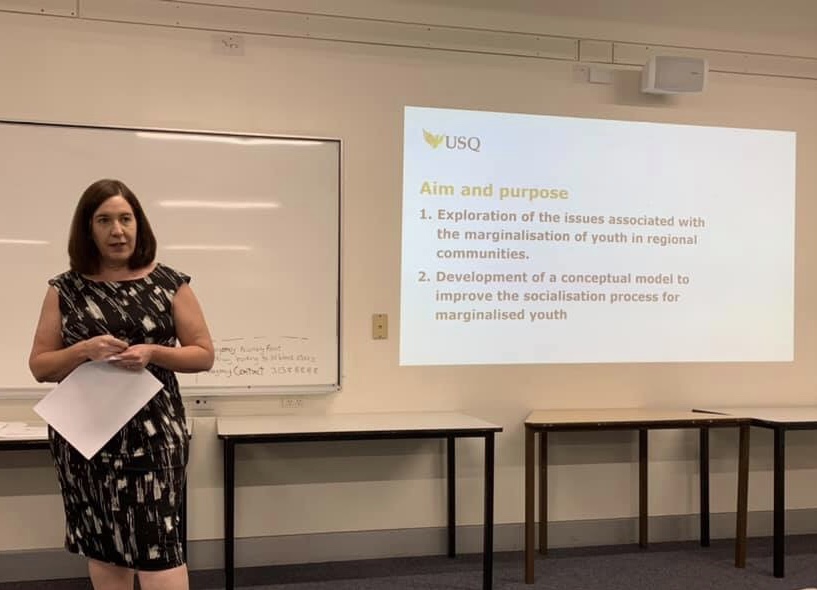
Dr Carol Schultz completed a Doctor of Professional Studies at the University of Southern Queensland. Drawing on more than thirty years of experience as a special education teacher and Queensland guidance officer, her doctoral research explored the conditions that help young people — and people of all ages — to flourish.

Rather than focusing only on treating problems after they appear, the research took a preventative, strengths-based view: understanding the relationships, values, learning and environments that allow people to thrive. From this original research, the Schultz Human Flourishing Model™ was developed — an evidence-informed framework for understanding human flourishing.

The model identifies eight interconnected elements that, together, create the conditions for people to flourish across the lifespan.

Doctor of Professional Studies
University of Southern Queensland
Original development of the Schultz Human Flourishing Model™
Strengths-based, preventative focus

Professional Journey

Key milestones — from the classroom to doctoral research and professional practice.

30+ years supporting children & families
Master of Education (Guidance Counselling)
Queensland Guidance Officer (former)
Doctor of Professional Studies (USQ)
Development of the Schultz Human Flourishing Model™
The Human Flourishing Practice™
HumanFlourishingThe IndividualValuesCommunityCultureLife-LongLearningMoralThinkingAdaptationto ChangeModernPressures

Illustrations on this page are simplified adaptations of concepts developed through Dr Carol Schultz’s doctoral research to improve accessibility and understanding.

The Model, Explained Simply

The Schultz Human Flourishing Model™

In simple terms, the model says that flourishing is not about fixing a single problem — it grows from eight connected parts of a person’s life working well together.

When we understand how these elements are supporting someone — and where a little more support would help — we can build a clear, practical pathway to lasting flourishing.

The Eight Elements of Flourishing

Each element plays an important role. None is more important than another — together they create the conditions for people to flourish.

Modern Pressures

Understanding the global and social forces that shape our lives and challenge traditional sources of support.

Adaptation to Change

Building the capacity to navigate and respond to rapid social, economic and personal change with resilience.

Values

Identifying and strengthening the ideals and beliefs that guide positive behaviour and meaningful connection.

Community

Fostering supportive connections with family, peers, schools and organisations that nurture belonging.

Life-Long Learning

Embracing learning across the lifespan — not only for work, but for learning how to live well.

The Individual / Self

Developing a cohesive, confident sense of identity through supportive relationships and self-understanding.

Culture

Recognising how cultural attitudes, customs and beliefs shape identity and create opportunities for connection.

Moral Thinking

Cultivating the capacity to make wise, considerate decisions that take the needs of others into account.

How Research Informs Practice

The same evidence-informed human flourishing model underpins every service at The Human Flourishing Practice™ — from strengths-based assessment and behaviour support to professional consultation and clinical supervision.

Human Flourishing Profile™

The flagship strengths-based assessment mapping strengths and needs across all eight elements of the model.

Counselling

Evidence-informed counselling for children, adolescents, adults and families — available via telehealth counselling Australia-wide.

Behaviour Consultancy

Positive behaviour support for neurodivergence, emotional regulation and school refusal.

Professional Consultation

Collaborative consultation for schools, allied health professionals and support coordinators.

Clinical Supervision

Reflective clinical supervision supporting guidance counselling professionals, counsellors and allied health practitioners.

Report Writing

Detailed, evidence-informed reports that support planning, referrals and coordinated care.

Research Into Practice

How the model translates into a clear, practical process for every participant.

Step 01

Assessment

Information is gathered across the eight elements of flourishing through structured professional consultations.

Step 02

Analysis

Strengths and needs are analysed through the lens of the Schultz Human Flourishing Model™.

Step 03

Written Report

Findings are captured in a clear, individualised written report you can share and act on.

Step 04

Recommendations

Practical, evidence-informed recommendations are tailored to the person’s goals and circumstances.

Step 05

Six-Month Flourishing Plan™

A personalised plan sets out clear, achievable steps toward flourishing over the following six months.

Step 06

Review Consultation

A dedicated review consultation checks progress and adjusts the plan as needed.

From Research to Real Life

Research only matters when it helps people in daily life. The Schultz Human Flourishing Model™ is designed to convert research findings into clear recommendations and practical strategies — from individual behaviour support to family planning, school interventions, professional consultation and detailed written reports. Each Human Flourishing Profile™ results in concrete steps you can act on over the next six months.

Frequently Asked Questions

Clear answers about the research and evidence behind The Human Flourishing Practice™.

Research Foundation

Our Evidence Base

The Schultz Human Flourishing Model™ draws on original doctoral research together with contemporary literature on flourishing, strengths-based practice, resilience, education and human development. The model is intended to guide practical assessment and intervention — translating evidence into clear, achievable recommendations for individuals, families, schools and allied health professionals.

Working Together

A Complementary Approach

The Schultz Human Flourishing Model™ is designed to complement — not replace — established counselling, educational and allied health approaches.

It provides an additional strengths-based framework for understanding people, planning interventions and supporting long-term flourishing. Professionals across disciplines — including guidance counsellors, psychologists, GPs, support coordinators and behaviour practitioners — can integrate the model alongside their existing expertise to strengthen outcomes for the people they support.

Illustrations on this page are simplified adaptations of concepts developed through Dr Carol Schultz’s doctoral research to improve accessibility and understanding.

Put Evidence-Informed Support to Work

Begin with the flagship Human Flourishing Profile™ assessment, or book a free discovery call to talk through the right starting point for you.